
Looking for hope? Plant something.
(and why working the soil can be an act of resistance)

So much of life is out of our control.
And I guess I’ve been feeling a bit out of control lately, as many of us do. Winter 2026 has brought blizzards of suffering. Violence and hatred towards fellow humans, cancer taking more lives, and extreme weather patterns mount up across our country.
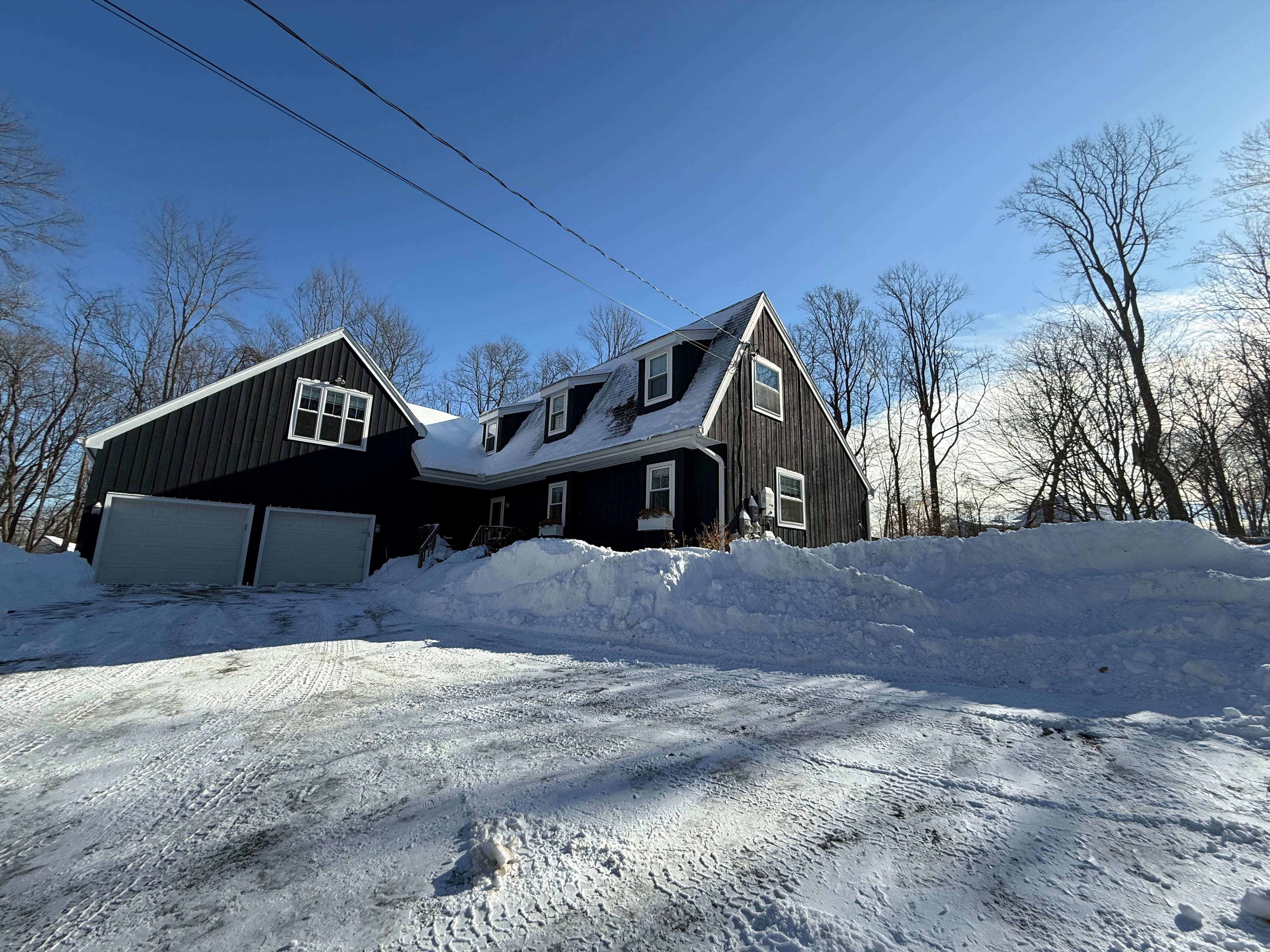
Like the massive piles of snow in my area—ones that are deep, crusty, and refusing to melt due to a lengthy stretch of extreme cold—they hinder the view of what could be around the corner.
The frigidness of this winter has spread from our toes to our crowns, making the collective soul of our nation skeptical that a literal and figurative spring will ever arrive.
Can you blame us? I can’t. It’s been a rough one, and many of us are struggling to see around the piles.
And yet, spring will arrive. And when it does, I’ll plant, just like I have since 2010.
I’ll plant, knowing there’s no guarantee the weather will cooperate, the pests will stay away, or I’ll have time and/or energy to work the ground as I have in the past. I’ll do my very best to plan (loosely) and rake and dig and haul, ending my days covered in a satisfying film of dirt and sweat.
A quick way to stretch your tolerance for that out-of-control feeling—plant something. Anything. You’ll quickly realize how much is out of your hands. It’s a good practice for the physical body, and the soul, and if something beautiful comes of it, you’ll be so glad you did.
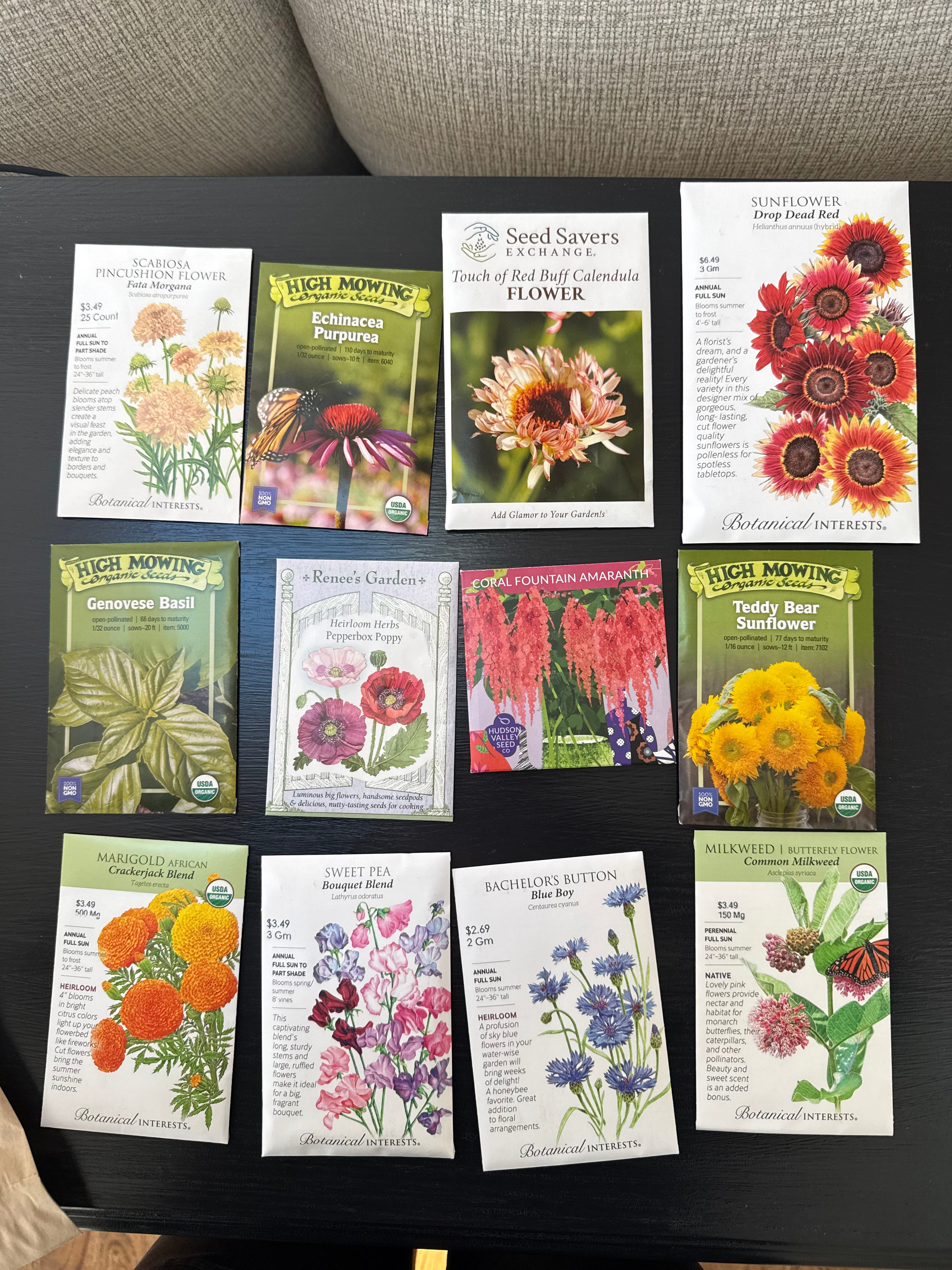
Maybe I’m a glutton for punishment, but here I am again, for the 16th-ish year, deeply involved with my little packets of hope.
Yesterday, the Trump administration removed the government’s power to fight climate change by erasing widely-accepted science that a hotter planet, mainly greenhouse gas emissions, is harmful to life. This climate science, which has historic acceptance by presidents of both political parties, was traded for a hoax.1
The commander in chief also called climate scientists “stupid people,” like a child with unregulated words and emotions, which is completely unsurprising and on-brand for him.
And lest you’re tempted to look at your own snow piles and believe the president may be right (how could the planet possibly be warming with all this snow?!), that’s a common misunderstanding, and an easy way to dismiss the very real crisis.
A warming planet means glacial melt, and hotter summers, and also more extreme weather of all kinds, which includes intense snow and ice storms like the eastern part of our country has recently endured.
And it was no surprise to me, and probably won’t be to many of you either, that money is behind this decision. The rich will grow their wealth as they chant “drill, baby, drill,” while wildfires, heat exposure, floods, and asthma unnecessarily take more lives.
The ones who suffer most from climate change are those who are already suffering—the sick and vulnerable, elderly, low-income, marginalized, unhoused, and refugees.
Caring for our planet is caring for our neighbors, and the calling of all who take the words of Christ seriously.
Isaiah 10:1-2 - Woe to those who make unjust laws, to those who issue oppressive decrees, to deprive the poor of their rights and withhold justice from the oppressed of my people, making widows their prey and robbing the fatherless.
Robin Wall Kimmerer—author, botanist, and member of the Potawatomi nation—clapped back in 2019 with her own grassroots environmental movement called Plant, Baby, Plant. She is the queen of creative resistance through gardening and encouraging biodiversity through beautiful, productive landscapes. She shines a light on shared generosity through a “gift economy” and gardening as a way to cultivate connection in communities.
”Drill, Baby, Drill”, that mantra of destruction and extraction, is an intentional slap in the face to people who value land, life, health, and justice over corporate profits. Well, let’s raise a garden-gloved middle finger in return. I invite you, my friends, my neighbors, my readers, my fellow citizens into a new movement called Plant Baby Plant. - Robin Wall Kimmerer
Gardeners are some of the most hopeful people on the planet. We plant seeds expecting them to grow. We count the days until germination, watch our calendars, and the weather, and hope for the very best. Once you see a little success—a tiny sprout that turns into something edible or beautiful for your table—it’s hard to return to a life void of plants.
When I decided to become a Master Gardener in 2024, I had no idea what gifts awaited me—it’s so much more than learning how to grow a perfect tomato. Between the extensive education, hands-on work in our communities, and connection with other gardeners, my life is more full and beautiful today than it was before I went through the program. Robin’s values ring true in my own life and gardening experience.
Gardening doesn’t have to wait until you’re retired or more educated. You can garden as an act of resistance this season if you’re open to it. There are small, low-maintenance ways you can clap back at the climate-change deniers with Robin, and I hope you’ll consider it.
The biggest requirement, in my opinion? A willingness to pause and notice. Stewarding the land can be a great exercise in mindfulness as we tend to plants through responsive care, instead of reacting to a crisis.
I think this is why so many (mistakenly) speak “black thumb” over their lives and swear off any type of plant care—they may not realize how important “pause and notice” is to the process.
Slowing down is an act of resistance in and of itself as we push back against the culture of hustle and grind, and producing as much as possible. It’s not human, and it’s not humane.
“Everything that slows us down and forces patience, everything that sets us back into the slow circles of nature, is a help” —May Sarton
Gardening as resistance can be a single pot of basil on your balcony that you enjoy all summer (purchasing less at the grocery store), or a garden overflowing with zucchini that you share with neighbors.
It can be volunteering with a community garden, or helping to plant a pollinator pathway at your kids’ school.
It could be learning about and implementing the removal of invasive species on your property, and planting natives in their place.
It could be familiarizing yourself with your local parks and forests, Audubon Society, or water and land conservation efforts.
It could be planting trees in urban spaces, providing shade during hot summers.
Resistance gardening is about giving, restoring, and healing, instead of extracting, destroying, and killing. The variety of ways to resist is as great as the number of life forms in a handful of healthy soil.
My role as a gardener is more than planting, pruning, and harvesting. Showing up for the land I’ve been tasked to steward is an act of faith and is rooted in my Christian faith.2 Creating a beautiful, productive space, one that may attract bees and monarchs, and possibly provides food for hungry neighbors, or a bouquet for their table, feels like holy work to me.
Just as I was finishing up these words, I read Lore Wilbert’s fantastic Substack from today, which shared an excerpt from a book called Weathering Change by Courtney Ellis.
Courtney references being “a gentle alarmist” when it comes to climate change, which speaks right to the heart of who I want to be. I want to point to the science (because I believe it’s a good gift for us to learn from), creative ways to resist powerful empires of destruction, while never neglecting the beauty and the gifts that come with creation care. I hope you will, too.
As always, I’m so glad you’re here. I’d love to hear what you’re planting this year, or thinking about planting.
I’ll let Mary Oliver have the last word:
I Worried
By Mary Oliver

I worried a lot. Will the garden grow, will the rivers
flow in the right direction, will the earth turn
as it was taught, and if not how shall
I correct it?
Was I right, was I wrong, will I be forgiven,
can I do better?
Will I ever be able to sing, even the sparrows
can do it and I am, well,
hopeless.
Is my eyesight fading or am I just imagining it,
am I going to get rheumatism,
lockjaw, dementia?
Finally, I saw that worrying had come to nothing.
And gave it up. And took my old body
and went out into the morning,
and sang.https://www.nytimes.com/2026/02/12/climate/trump-epa-greenhouse-gases-climate-change.html
ELCA Lutherans do this well, and it’s something I appreciate about the church we’ve chosen since leaving evangelicalism in 2021.